The Science Behind Number Games
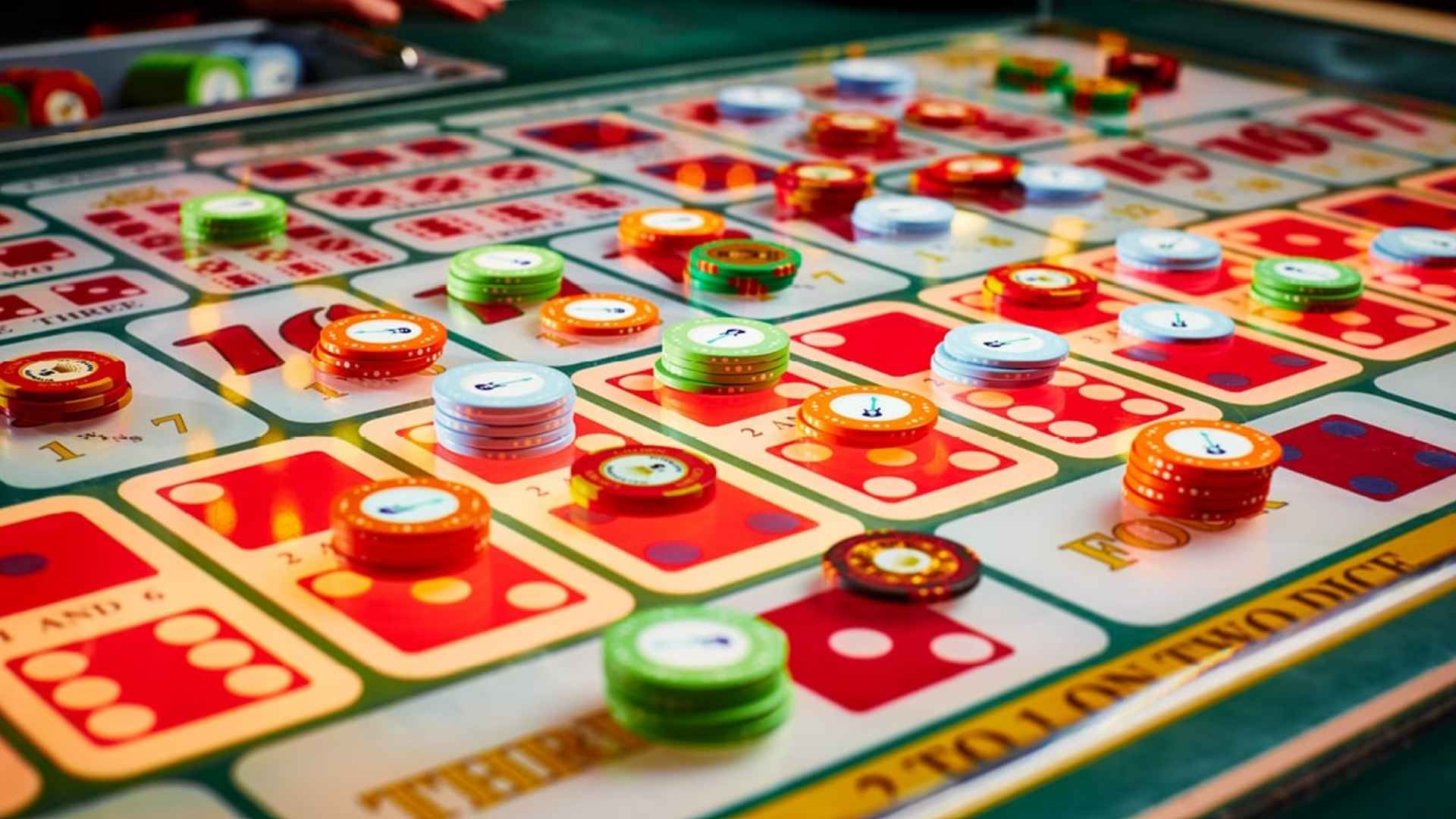
Number games have captivated human interest for centuries, transforming basic arithmetic into deeply engaging cognitive challenges. Recent neuroscience research indicates that these structured puzzles do much more than pass the time during a morning routine. By engaging specific neural pathways, numerical challenges provide a reliable workout that alters how our brains process complex information.
Neurological Responses to Pattern Recognition
When players interact with numerical sequences, the brain activates the prefrontal cortex to manage logical reasoning. This specialized area handles working memory, strategic decision-making, and critical problem-solving skills. Neuroscientists have observed that consistent engagement with these challenges can strengthen neural pathways over time.
Furthermore, solving an intricate puzzle triggers a distinct neural signature that sustains human attention and engagement. The brain releases dopamine upon finding a solution, which creates a natural sense of satisfaction. This chemical reward system reinforces learning habits and encourages players to take on increasingly complex tasks.
Cognitive Enhancements and Mental Longevity
Regular practice with math puzzles helps protect the mind against gradual cognitive decline. Studies involving middle-aged and older adults suggest that active game-playing preserves grey matter volume in vulnerable regions like the hippocampus. This structural preservation directly correlates with better performance on standard memory and flexibility tests.
In addition to memory benefits, these activities improve daily information processing speeds. Players learn to isolate variables, recognize structural limitations, and execute decisions with greater accuracy. Utilizing specialized platforms like m88 mansion indo allows individuals to discover modern puzzle formats that challenge their analytical skills. Developing these habits transforms a casual leisure activity into a practical tool for long-term cognitive health.
The Balance of Positive Logic Stress
Unlike fast-paced video games that cause anxiety, puzzle games introduce a constructive form of cognitive tension known as logic stress. This controlled challenge keeps the central nervous system active without triggering the body's harmful panic responses. As a result, players experience heightened focus and concentration rather than emotional exhaustion.
This unique balance explains why numerical tasks remain a popular choice for daily mental relaxation. By shifting attention away from routine worries, the mind enters a highly productive flow state. Engaging the brain with structured logic ultimately yields a healthier approach to both entertainment and personal wellness.